
Die development
Die Development
We help you select a suitable existing die or develop custom extrusion tooling. Specialist partners manufacture new dies, while our in-house team coordinates extrusion trials and die adjustments against your approved drawing.
Development & die trials
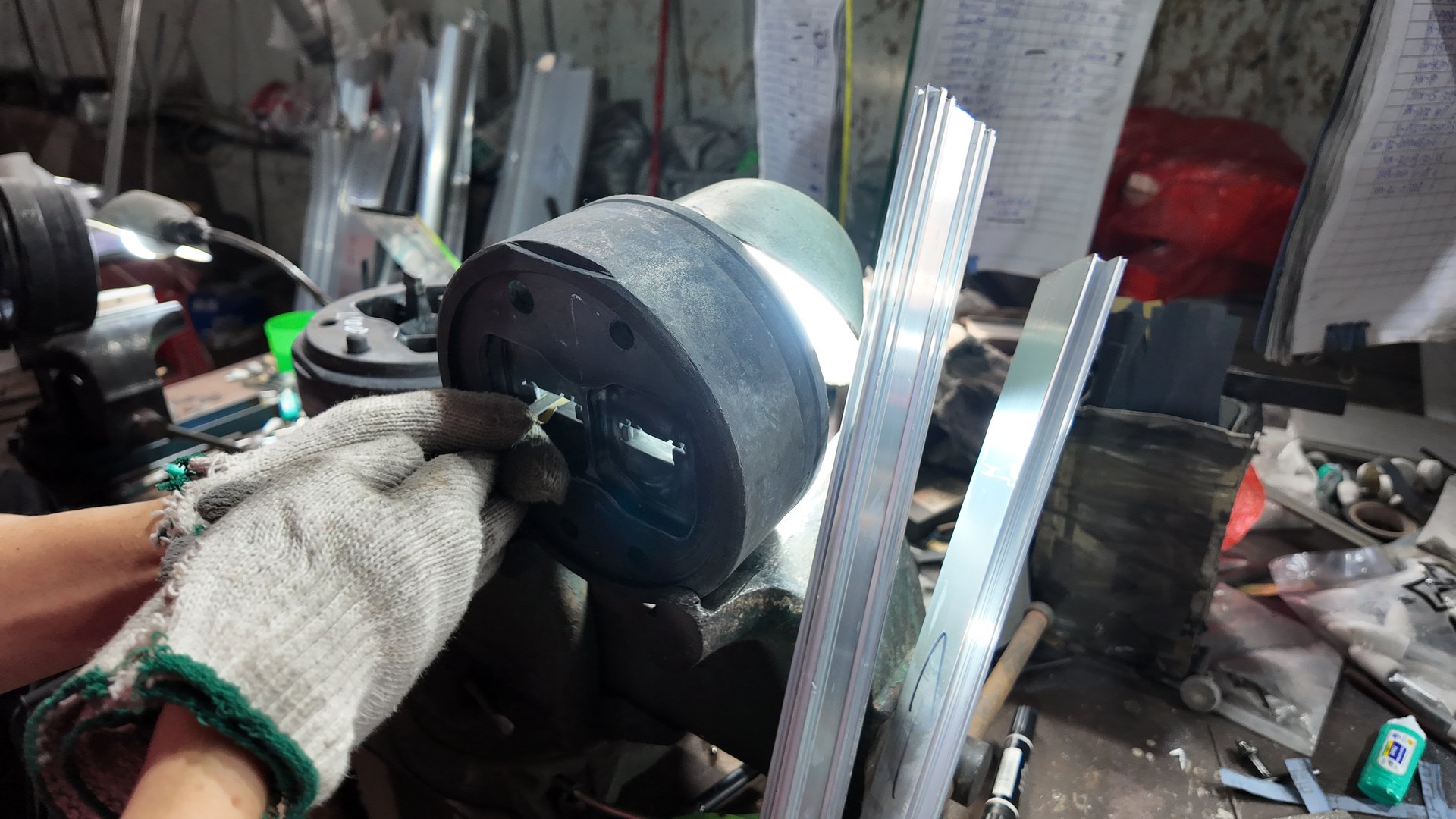
Development begins with a cross-section review and the customer's written approval of the numbered die drawing. Our specialist die-making partners manufacture the tooling, followed by in-house extrusion trials and sample inspection. Any adjustments are checked against the approved design before samples are submitted for acceptance.
For standard dies, manufacture and the initial extrusion trial usually take 7–15 days after drawing approval and receipt of the die fee. Actual timing depends on section complexity, die size and press scheduling. If further adjustments are needed, we share the results and the next trial date after each trial.
Scope
We develop dies for solid profiles, round and square tubes, multi-chamber window and door sections, curtain wall mullions and transoms, and common industrial framing profiles.
Heat sinks with very tall or closely spaced fins, long unsupported features, very thin walls, large wall-thickness differences and precision sliding fits require a separate engineering review of metal flow and extrusion stability.
Die fees, exclusive use & care
Fees & conditional refunds
Die fees depend on the profile's circumscribing-circle diameter, section complexity and required press tonnage. Payment is due after drawing approval and before die manufacture. Eligible die fees can be refunded when cumulative orders for the same profile reach an agreed threshold, generally 5–20 metric tons depending on the die. The threshold and refund terms are confirmed for each die.
Corrections & design changes
If a trial sample does not meet the approved drawing, we adjust or remake the die at no charge for that correction. Customer-requested changes after design approval may incur a die modification or replacement charge.
Exclusive use & transfer
Customer-funded custom dies are reserved for that customer's exclusive use. We do not use them to supply third parties without authorization. Physical transfer of a die can be arranged by specific agreement between both parties.
Storage & maintenance
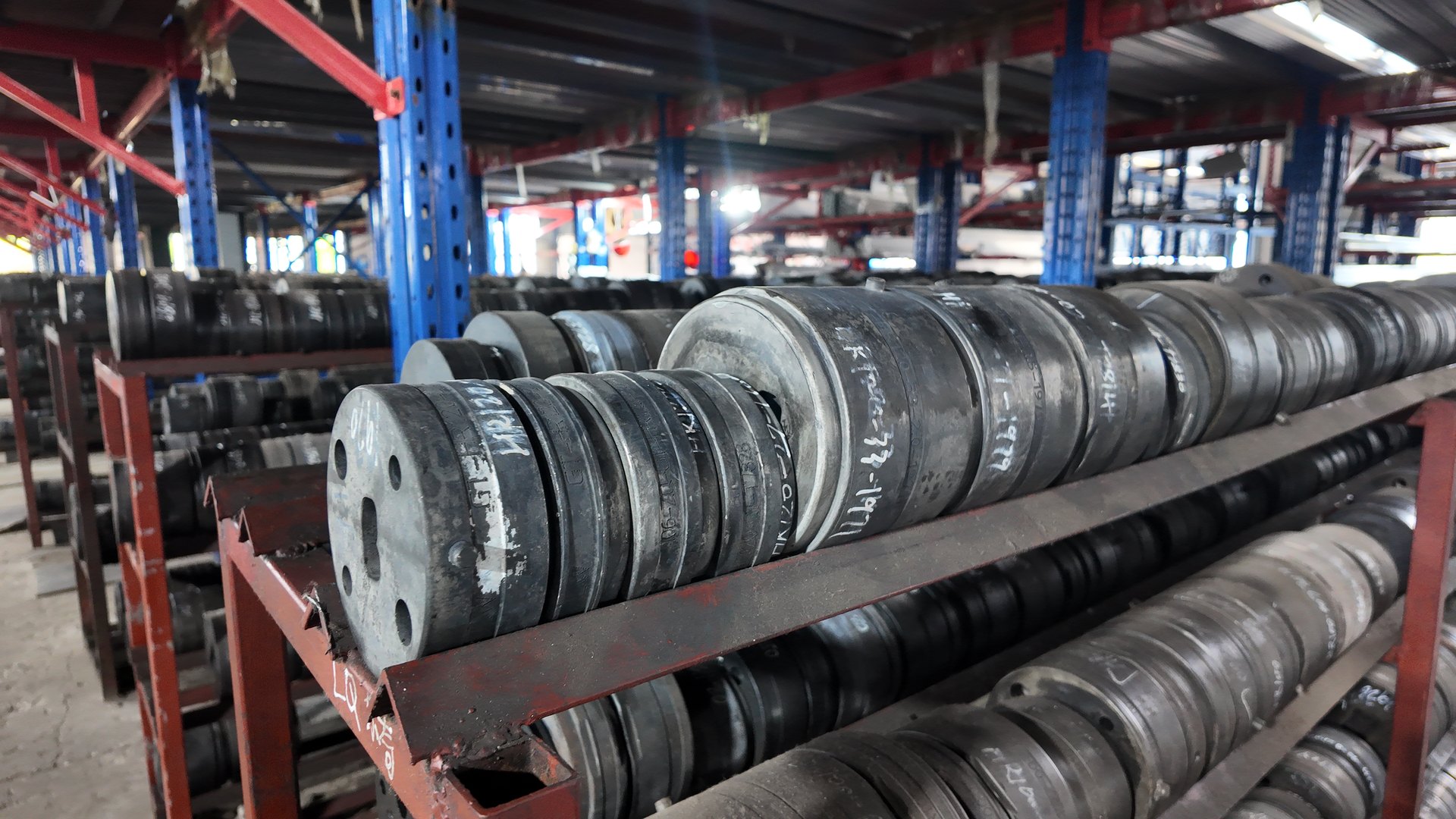
Each stored die has a unique identification number. After production, dies are cleaned in an alkaline bath and nitrided before being returned to dedicated storage. Routine care and maintenance are provided at no charge. If a die reaches the end of its normal service life while repeat orders continue, we provide a replacement without a new die charge. After two years without repeat orders, we contact the customer before deciding whether to retain or scrap the die.
What to provide
Provide a cross-section drawing with critical assembly dimensions, wall thicknesses and tolerances, together with the required alloy and temper, application, cut length, finish and expected order volume. Explain any mating or sliding-fit requirements so our engineers can assess the tooling.
We can review a physical sample when a drawing is unavailable. The final numbered drawing must be approved in writing before a new die is made.
Start your project