
Technical guide
Choosing an aluminum alloy and temper
Choosing an alloy and temper starts with the finished product: its loads, assembly, machining and appearance requirements. Guantian assesses these needs alongside the section geometry and finishing process. This guide explains our typical approach and when a more detailed engineering review is needed.
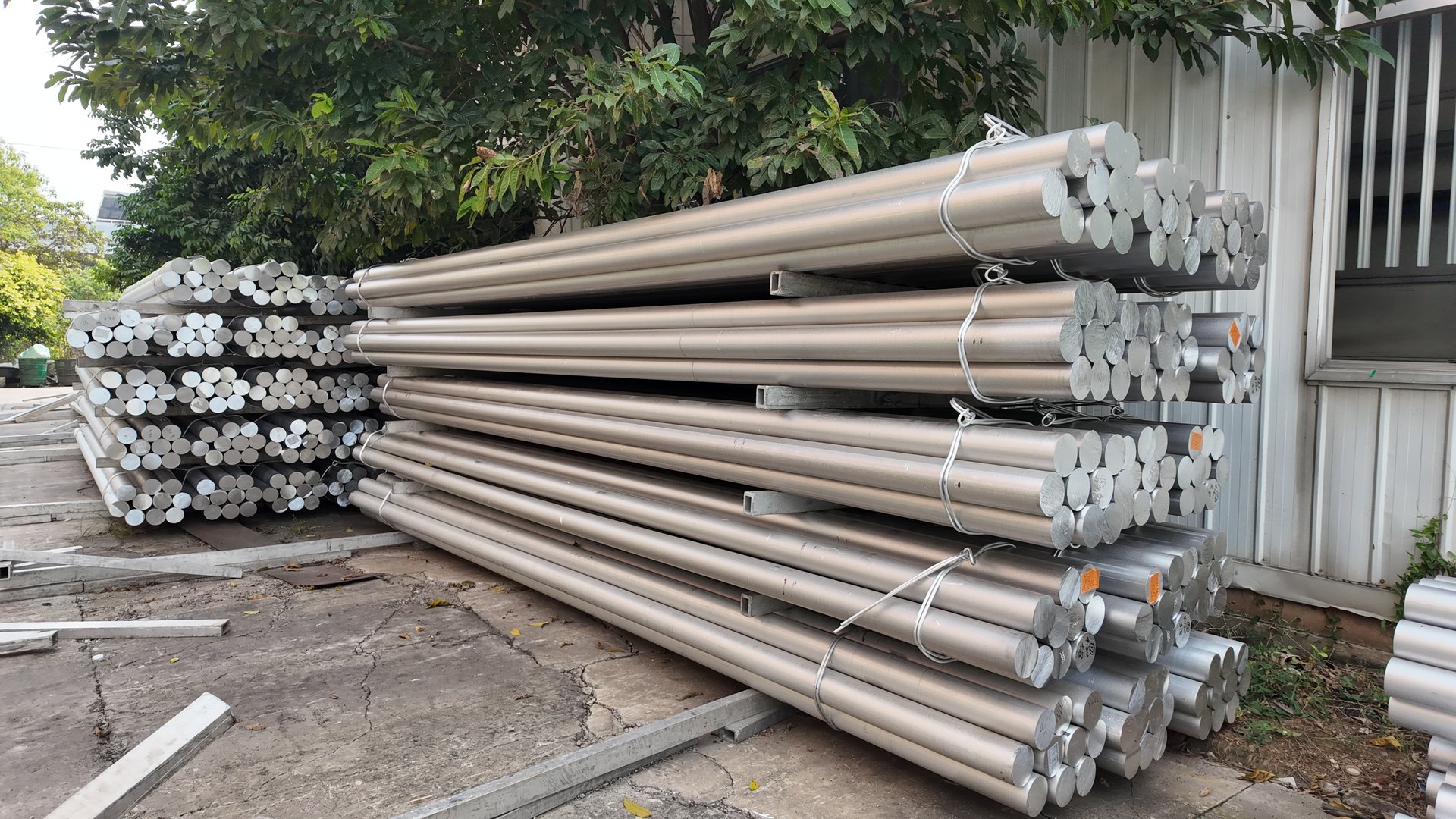
Consider the complete manufacturing process
A material choice must suit the section and the operations that follow extrusion. A profile with closely spaced fins or thin walls may present different manufacturing constraints from a simple load-bearing member. Our team reviews the application, wall thickness, loading requirements, bending or machining needs and finish before proposing a material, particularly when strength requirements conflict with complex geometry.
What to define before selecting material
Tell us which requirements matter most: appearance, loading, assembly fit, bending, machining or a specified surface finish. Provide the section drawing and explain how the profile connects to other parts. For structural or otherwise demanding components, state the required mechanical properties and inspection criteria. If a drawing specifies an alloy and temper, also indicate whether alternatives may be proposed for your approval.
Available alloys and tempers
6063 is available in T5 and T6 for architectural and decorative profiles. 6061 is available in T4, T5 and T6 for industrial structures and machinery components; special bending or strength requirements need review. 6005 and 6082 are available in T5 and T6 for applications such as rails, solar framing and load-bearing industrial parts, subject to confirmation of mechanical properties, minimum order quantity and production scheduling.
Balance strength, geometry and finishing
For projects that prioritize appearance, complex multi-cavity sections or demanding decorative finishes, we typically begin by assessing the suitability of 6063-T5 for extrusion. Where load-bearing performance, precision machining or tapping is critical, we may recommend 6061-T6. These are starting points for engineering review. Thin fins, difficult cavities, subsequent bending and other constraints can affect the final recommendation.
How to specify material in an inquiry
State the alloy, temper, applicable standard and edition, and required properties if already specified. Include the profile drawing, subsequent bending or machining operations, finish and estimated quantity. If no material is specified, describe the application and your priorities. We review these requirements together and confirm the proposed material and any design changes before tooling and production approval.
Start your project